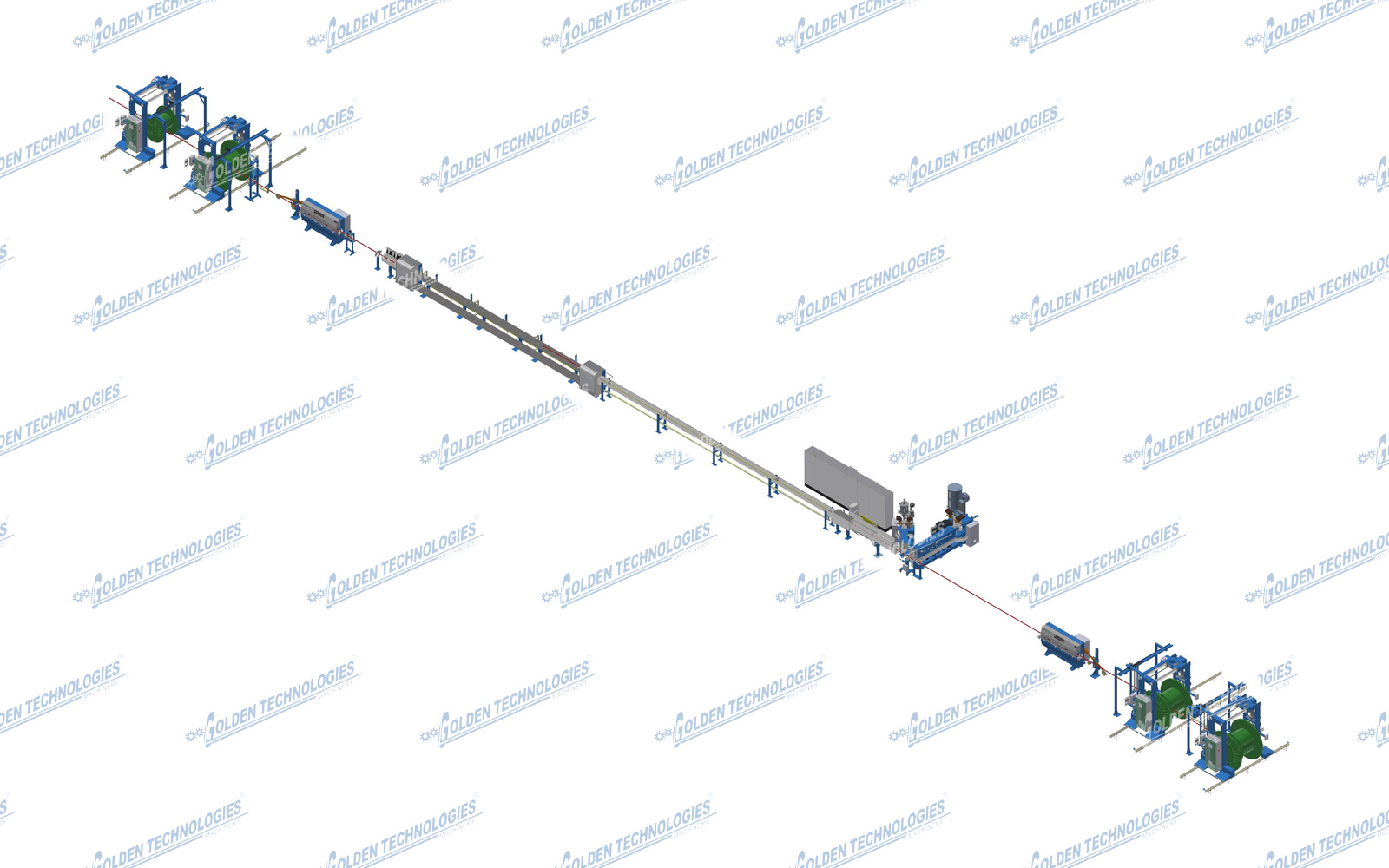
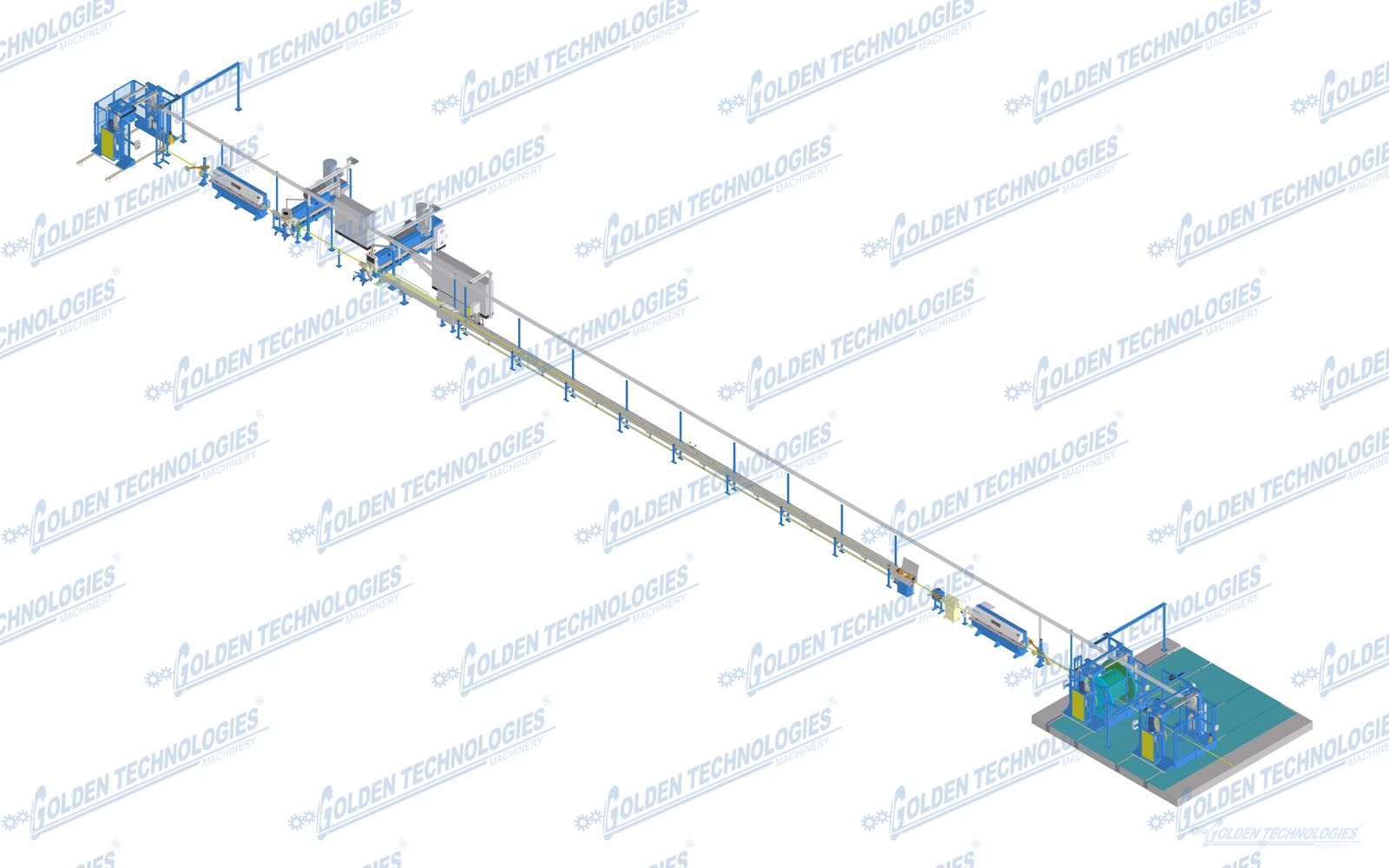
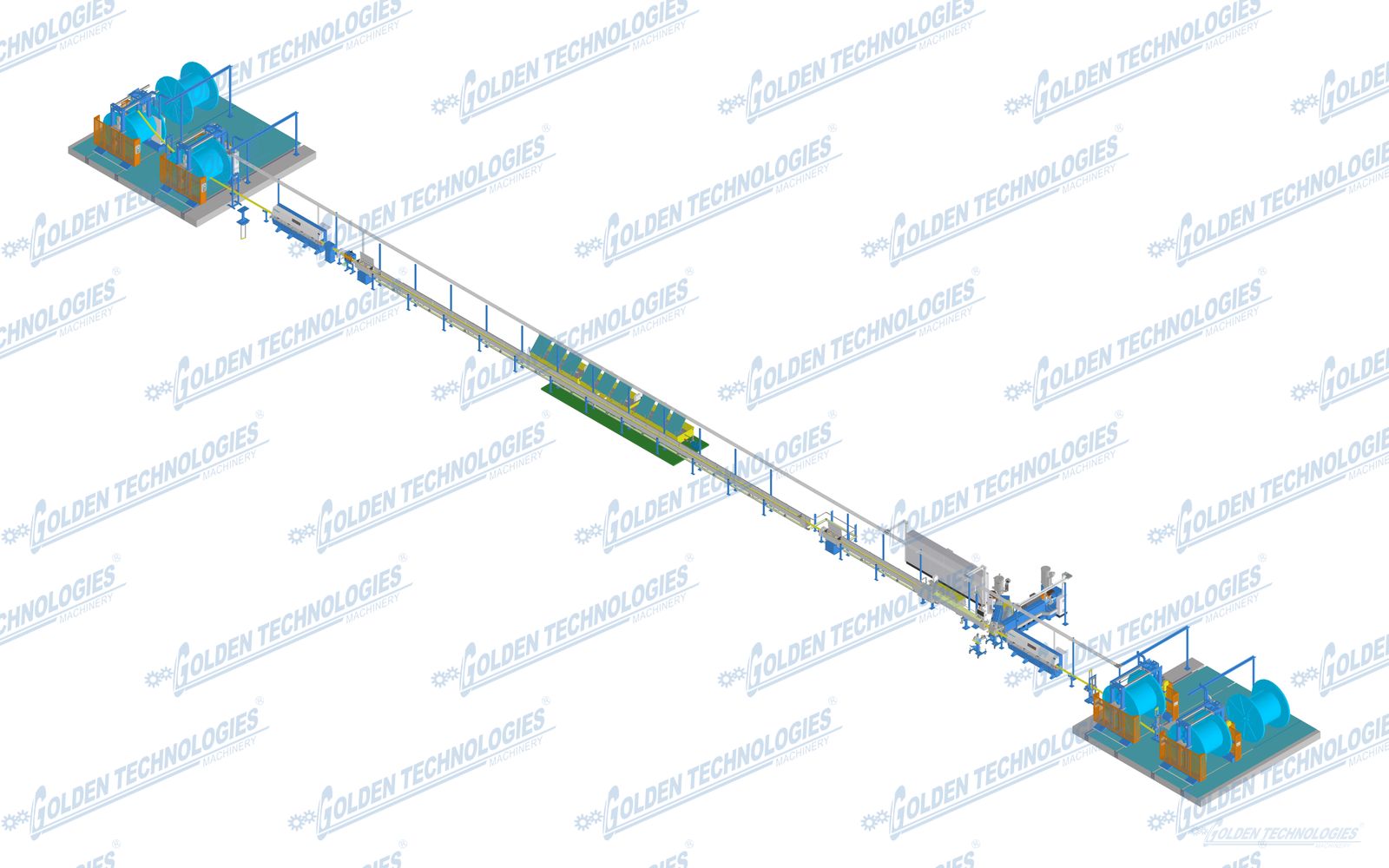
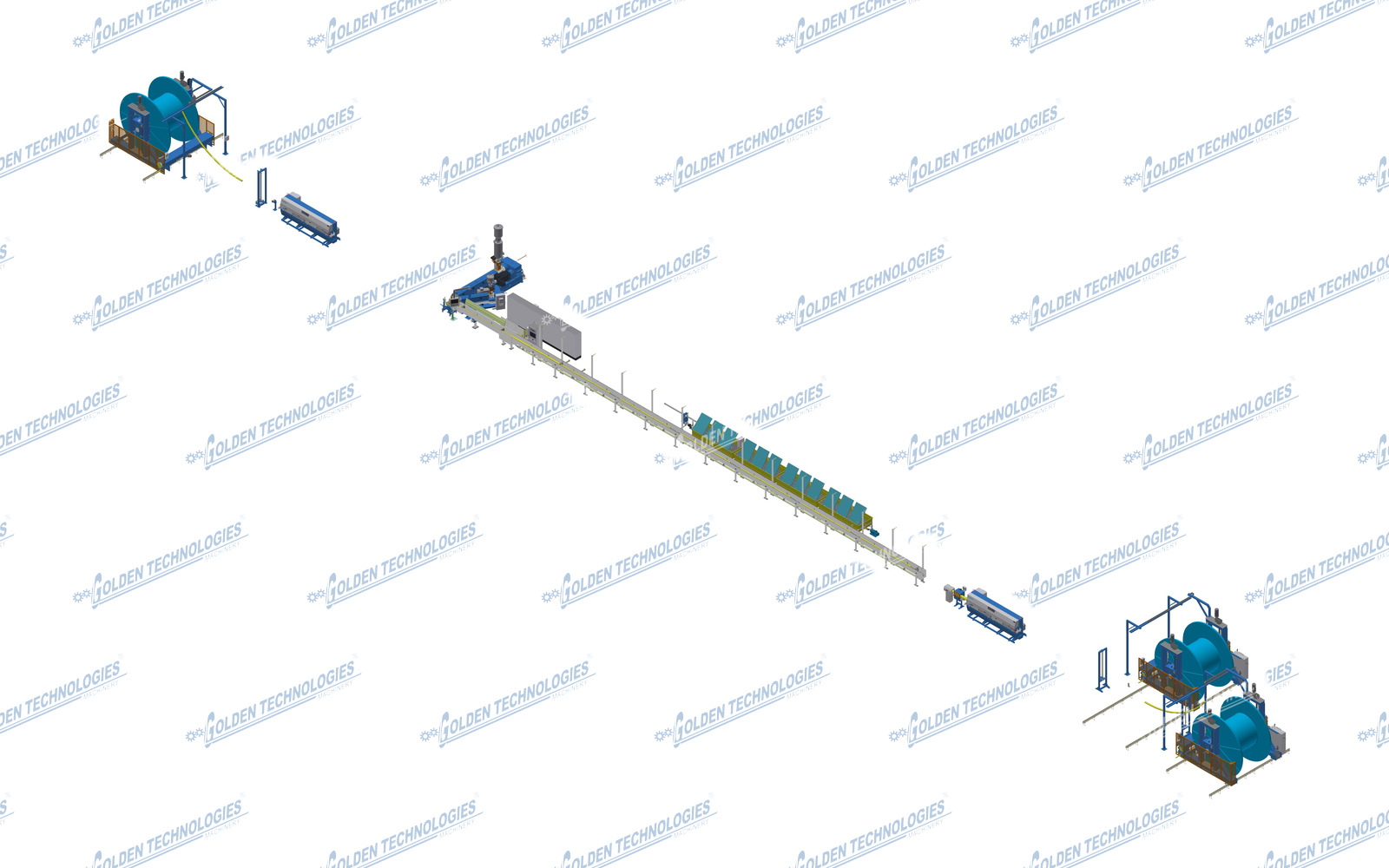
Cable diameter and voltage class
Provide the cable type, voltage class and incoming and finished diameter ranges so the applicable sheathing route can be reviewed.
Compare standard, tandem and medium/high-voltage cable sheathing line routes, then send your cable diameter, material, structure and output requirements for review.
Power cable projects should be matched to the cable specification, process route and factory handling conditions. These four inputs establish the basis for a useful recommendation.
Provide the cable type, voltage class and incoming and finished diameter ranges so the applicable sheathing route can be reviewed.
Share the cable drawing, sheath structure, material and applicable standard. These details guide the extrusion, tooling and cooling scope.
A tandem or multi-extruder configuration is considered only when the required cable structure and process call for it.
Confirm reel sizes, payoff and take-up preferences, available floor length and any existing equipment that must remain in the process.
Depending on the submitted specification, the line scope is coordinated across payoff and cable handling, extrusion and tooling, cooling, measurement and control, pulling, and take-up. The final equipment list is confirmed against the cable and factory requirements.
Power cable sheathing projects need a configuration that fits the cable diameter range, sheath material, line layout and downstream reel handling. Golden's role is to help buyers confirm the right line route before quotation.


The model list shows current configuration routes. The final recommendation depends on the submitted cable drawing, process requirements and factory plan.
No. Extruder and complete-line selection should follow the cable diameter, material, sheath structure, production target and agreed process route.
A tandem route is reviewed when the cable construction and required process justify consecutive extrusion stages. It should not be selected from model size alone.
See the complete cable extrusion line range for building wire, automotive, network cable and specialty applications.
Provide factory dimensions, reel sizes, material flow, utilities and existing equipment together with the cable specification and output target.